

In our previous article, “Decoding ADHD: Basic Intro to Symptoms and Diagnosis,” we embarked on a journey to understand the intricate world of Attention Deficit Hyperactivity Disorder (ADHD). We delved into the fundamental aspects of ADHD, unravelling its symptoms and the nuances of its diagnosis. It was a foundational exploration aimed at demystifying the disorder and providing a solid ground for those either living with ADHD or seeking to understand it better.
Now, we take a significant step forward in our series. In this continuation, titled “Navigating ADHD: From Symptoms to Empowerment,” we shift our focus from basic understanding to actionable strategies. This is not just another article about what ADHD is but a comprehensive guide on how to manage it effectively.
A. Overview of Common ADHD Symptoms
ADHD symptoms can be broadly categorized into two types: inattentiveness and hyperactivity/impulsiveness.
Inattentiveness includes:
- Short attention span, easily distracted
- Careless mistakes in tasks
- Forgetfulness, losing things
- Difficulty organizing tasks
- Inability to focus or prioritize
- Constantly starting new tasks before finishing old ones
- Lack of attention to detail
Hyperactivity and Impulsiveness involve:
- Inability to sit still, especially in calm settings
- Constant fidgeting
- Excessive physical movement and talking
- Acting without thinking, interrupting conversations
- Being unable to wait their turn, there is little sense of danger
ADHD is more commonly diagnosed in boys, with symptoms varying between children and adults. Hyperactivity tends to decrease in adults, but inattentiveness often persists.
B. Impact of ADHD on Daily Life: Reflecting on My Past – A quick bullet Story by meeee Christian Ayerst
I want to take you through a day from my past, a time when the challenges of living with ADHD were ever-present and often overwhelming. It was a period marked by constant struggles with focus, coping mechanisms, and the pursuit of balance.
Morning – Lost in Procrastination:
My mornings used to start with a cloud of good intentions that quickly dissipated. Simple tasks like responding to an email or beginning a project felt like climbing a mountain. I was trapped in a cycle of procrastination, fully aware of its grip yet unable to break free.
Mid-Morning – The Medication Dilemma:
Back then, medication was a crucial part of my routine, a necessary tool to temper the symptoms of ADHD. However, it came with its baggage – the jitteriness, the physical discomforts like sweaty palms, a price I reluctantly paid for some semblance of normalcy.
Lunchtime – Struggling to Connect:
Living with ADHD often felt like waging a silent battle. In social settings like lunch with colleagues, I struggled to stay connected. On the surface, I might have seemed uninterested, but the reality was a strenuous effort to remain part of the conversation.
Afternoon – The Forgetting Game:
Each afternoon was a testament to forgetfulness. Misplacing items or slipping on important tasks were regular occurrences, stark reminders of the daily battles with memory. Despite my efforts to organize and remember, such as maintaining detailed planners, success was limited and fleeting.
Late Afternoon – Navigating the Workplace Maze:
My workplace was a labyrinth of overstimulation. I segmented my day to cope, seeking refuge in caffeine and brief escapes like a solitary walk. These were strategies to keep afloat in an environment that often felt too intense and demanding.
Evening – Escape into Hyperfocus:
Evenings were my retreat into hobbies, like video games, where I found an unlikely ally in hyperfocus. In these moments, the world around me faded away, offering a rare respite from the usual chaos of my mind.
Dinner – Doubts at the Family Table:
Dinner times were introspective, often clouded with self-doubt about my role as a husband and father. My struggles with ADHD cast a shadow of uncertainty over my ability to fulfil these roles effectively.
Night – A Mind in Overdrive:
Nightfall brought its challenges. As I lay in bed, my mind became a theatre of relentless thoughts, desires, and philosophical musings, keeping sleep at bay until sheer exhaustion claimed me.
This snapshot of my past days paints a vivid picture of life with ADHD before I found more effective ways to manage it. It was a life characterized by coping rather than managing, a constant juggle of symptoms, medication side effects, and fleeting moments of clarity in a largely chaotic existence.
The Good Stuff Transitioning from Symptoms to Management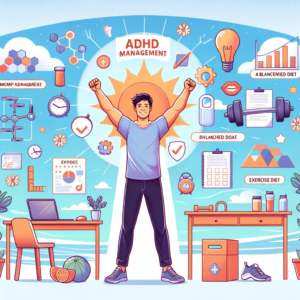
The journey from understanding ADHD symptoms to managing them involves recognizing how they manifest in various aspects of life and developing strategies to mitigate their impact.
III. Understanding Management vs. Coping in ADHD
A. Difference Between Coping and Managing ADHD
- Coping with ADHD often entails a reactive, passive approach to symptoms. Managing ADHD, however, involves proactive strategies for sustained improvement and adaptation.
B. Effective Management Strategies for Long-Term Improvement
- Dr. Ned Hallowell emphasizes active management over mere coping. Effective strategies include Cognitive Behavioral Therapy, organizational and time management tools, environmental adjustments to reduce distractions, employing positive psychology techniques, and improving executive function. These approaches aim to mitigate the impact of ADHD on daily life, enhancing overall quality of life.
C. Holistic Management Strategies
- The series will explore a range of holistic management techniques, incorporating both medical and non-medical interventions to address ADHD comprehensively.
D. Preview of Holistic Management Topics
- Upcoming discussions will focus on the roles of Mindfulness, Diet, and Exercise. Each plays a pivotal role in effectively managing ADHD, contributing to better focus, mood regulation, and physical health, all of which are crucial for individuals with ADHD.
V. Mindfulness as a Cornerstone of Management
A. Understanding Mindfulness
Mindfulness is a practice that can be particularly effective for ADHD. It involves being present in the moment and cultivating awareness of one’s thoughts and feelings without judgment.
Techniques and Practices
The series will explore specific mindfulness techniques and practices suitable for individuals with ADHD when I get round to writing it.
VI. Nutrition’s Role in ADHD Management

A. Connection Between Diet and ADHD
Recent insights reveal a significant connection between diet and ADHD symptoms. The role of nutrition in managing ADHD involves understanding how different foods can affect brain function and behavioural patterns.
B. Exploring Nutritional Strategies
In this series, we’ll delve into how specific dietary changes can support focus and balance. We’ll explore the impact of various nutrients and dietary patterns on ADHD symptoms, offering practical advice for incorporating these insights into daily life.
VII. The Supportive Role of Physical Activity
A. Exercise and Brain Health
Physical activity has been identified as a key factor in managing ADHD. Exercise improves overall physical health and has specific benefits for brain function and emotional well-being.
B. Integrating Exercise into ADHD Management
Our upcoming discussions will focus on how integrating regular physical activity can be a powerful tool in managing ADHD symptoms. We’ll explore various forms of exercise, from aerobic activities to strength training, and how they can be adapted to suit individual needs and preferences.
VII. The Supportive Role of Physical Activity
A. Exercise and Brain Health:
Physical activity is a crucial element in the management of ADHD. It’s about more than just physical health; it’s a pivotal factor for enhancing brain function and emotional well-being. Exercise stimulates the brain in ways that can help mitigate some of the cognitive challenges associated with ADHD.
B. Integrating Exercise into ADHD Management:
In our upcoming discussions, we will delve into how incorporating regular physical activity can be transformative in managing ADHD symptoms. We’re not just talking about generic workouts. We’ll explore a variety of exercise forms, from dynamic aerobic exercises to focused strength training, and discuss how to tailor these activities to individual needs and lifestyles. This approach aims to make exercise a feasible, enjoyable, and effective part of ADHD management.
VIII. Conclusion
Viewing ADHD Management Positively:
As we draw to a close, it’s important to see ADHD management not just as a challenge but as a journey towards empowerment. Every step taken, whether through mindfulness, dietary changes, or physical activity, is a step towards a more balanced and fulfilling life.
Learning and Gaining from the Series:
Through this series, readers can expect to gain a deeper understanding of ADHD and its management. We aim to provide practical, actionable strategies that can be integrated into daily life, offering a way not just to cope with ADHD but to thrive despite it.
Inviting Engagement:
We encourage readers to engage with us. Share your questions, comments, and personal insights. Your experiences and perspectives enrich our understanding and can help others on similar journeys.
IX. Call to Action
Share Your Experiences:
Your journey is unique, and sharing it can be incredibly powerful. I invite you to share your experiences in the comments below. a few ideas on how you navigated the complexities of ADHD in your life? What worked for you? What didn’t? Your story could be the beacon that guides someone else.
C. Engage and Rate:
thank you for reading this, and I want to make it better. Your feedback can make all the difference. After reading, please take a moment to rate the article from 1 to 10. Your input helps us better tailor our content to suit your needs and interests.
Remember, ADHD doesn’t define you. It’s a part of your journey, and with the right strategies and support, it’s a journey that can be navigated successfully. Join us as we continue to explore and discuss the many facets of ADHD management.
Visit our website for more resources and support.
Frequently Asked Questions (FAQs) about ADHD
1. What is ADHD and how is it diagnosed?
ADHD, or Attention Deficit Hyperactivity Disorder, is a neurodevelopmental disorder characterized by symptoms of inattention, hyperactivity, and impulsivity. It’s diagnosed through a comprehensive evaluation that includes psychological testing, medical history, and behavioral assessments. Typically, symptoms must be present in multiple settings (like home and school) and impact daily functioning.
2. How can diet affect ADHD symptoms?
Recent studies suggest that certain dietary choices can impact ADHD symptoms. Foods high in protein, complex carbohydrates, and omega-3 fatty acids may improve concentration and energy levels. Conversely, sugary foods, simple carbs, and food with artificial additives might exacerbate symptoms. However, dietary impacts can vary from person to person, so it’s important to consult with a healthcare professional before making significant dietary changes.
3. Can adults have ADHD?
Yes, adults can have ADHD. While it’s often thought of as a childhood condition, many adults either continue to experience symptoms from childhood or are diagnosed later in life. Adult ADHD symptoms can be more subtle than in children, often manifesting as difficulties with time management, organization, self-regulation, and maintaining focus on tasks.
4. What are the benefits of exercise for someone with ADHD?
Exercise is highly beneficial for individuals with ADHD. It helps improve concentration, reduce impulsivity, enhance mood, and alleviate stress. Regular physical activity boosts brain chemicals like dopamine, norepinephrine, and serotonin, which play key roles in attention and behaviour regulation.
5. Are mindfulness and meditation effective for managing ADHD?
Mindfulness and meditation can be effective tools for managing ADHD. These practices help increase self-awareness, reduce stress, and improve concentration. They teach individuals to focus on the present moment, which can be particularly challenging for those with ADHD. Regular mindfulness practice can lead to long-term improvements in attention, emotional regulation, and overall mental health.
Leave a Reply