
Introduction to ADHD
Attention-Deficit/Hyperactivity Disorder (ADHD) is a neurodevelopmental disorder characterized by a pattern of inattention, hyperactivity, and impulsivity. It’s prevalent in children but can persist into adulthood. ADHD symptoms vary and can be confused with other issues, such as anxiety or sleep disorders. The disorder has undergone various name changes over time, with the current name reflecting the significance of inattention as well as hyperactivity and impulsivity.
Symptoms and Diagnosis
Symptoms of ADHD are typically evident in early childhood and must be present before the age of 12 for a diagnosis. In young children, hyperactivity-impulsivity is predominant, but inattention becomes more prominent in the elementary years. Adolescents may experience less hyperactivity and more restlessness, while adults can continue to show inattention and impulsivity. Diagnosis involves a thorough
evaluation, including medical exams to rule out other causes and understanding the individual’s history from different sources. There’s no single test for ADHD.
Prevalence and Incidence
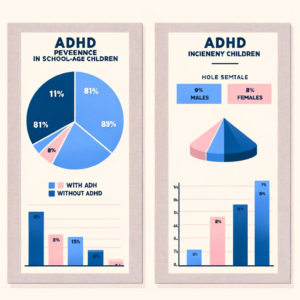
ADHD affects about 11% of school-age children, with symptoms continuing into adulthood in most cases. The disorder is more common in males, and females with ADHD often primarily exhibit inattention symptoms. It’s crucial to note that ADHD symptoms can be mistaken for other problems, leading to underdiagnosis or misdiagnosis, especially in adults or females.
ADHD Across the Age Spectrum
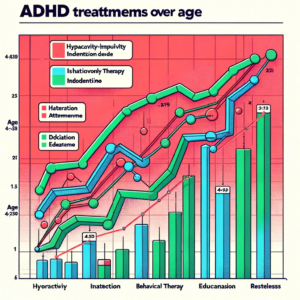
ADHD symptoms evolve as a person ages. In young children, the main symptom is hyperactivity-impulsivity. As children grow older, inattention may become more evident and impact academic performance. In adolescents and adults, symptoms may include restlessness, fidgeting, inattention, and impulsivity. The impact of ADHD varies with age,
affecting academic, social, and work life.
Causes of ADHD
The exact cause of ADHD is unclear, but it likely involves a combination of genetic, environmental, and central nervous system factors. Risk factors include a family history of ADHD or mental health disorders, exposure to environmental toxins, maternal substance use during pregnancy, and premature birth.
Treatment Options
ADHD treatment typically includes a combination of medication, psychotherapy, education, or training. Medications, especially stimulants, are commonly used to increase attention and reduce hyperactivity and impulsivity. Behavioural therapy is recommended, particularly for younger children, before trying medication. A comprehensive treatment plan includes monitoring and adjustments as needed.
Additional Resources and Support
For additional support, the Centers for Disease Control and Prevention (CDC) funds the National Resource Center on ADHD, offering information and assistance. Parents and adults with ADHD can find support groups, educational resources, and advocacy organizations through this centre and other related websites.
FAQ About ADHD
What is ADHD?
Answer: ADHD, or Attention-Deficit/Hyperactivity Disorder, is a neurodevelopmental disorder characterized by inattention, hyperactivity, and impulsivity. It’s commonly diagnosed in children but can continue into adulthood.
How is ADHD diagnosed?
Answer: Diagnosis of ADHD involves a thorough evaluation, including a review of the individual’s history, behavior observations, and sometimes medical exams to rule out other conditions. Symptoms must be present before the age of 12, and there’s no single test for ADHD.
Who is more likely to have ADHD?
Answer: ADHD affects about 11% of school-age children and is more common in males. Females with ADHD often primarily exhibit inattention symptoms. Symptoms can persist into adulthood in most cases.
How does ADHD affect different age groups?
Answer: In young children, hyperactivity-impulsivity is predominant. As they grow, inattention becomes more prominent. Adolescents may experience more restlessness, and adults often show inattention and impulsivity.
What are the treatment options for ADHD?
Answer: Treatment typically includes medication, such as stimulants, and psychotherapy. Behavioral therapy is particularly recommended for younger children. Treatment plans are often personalized and may include education or training.
Certainly! Here are the sources listed in markdown format:
Sources
- CDC – ADHD Overview
- National Institute of Mental Health on ADHD
- Mayo Clinic – ADHD in Children
- CHADD – About ADHD
Comments (1)
homersays:
January 17, 2024 at 10:51 pmYour work speaks for itself. Keep it up! ❤️